
UniMAP Strengthens Social Mobility: 140 First-Generation Students Supported Through SULUNG in 2024
- Details
- Super User
- Uncategorised
|
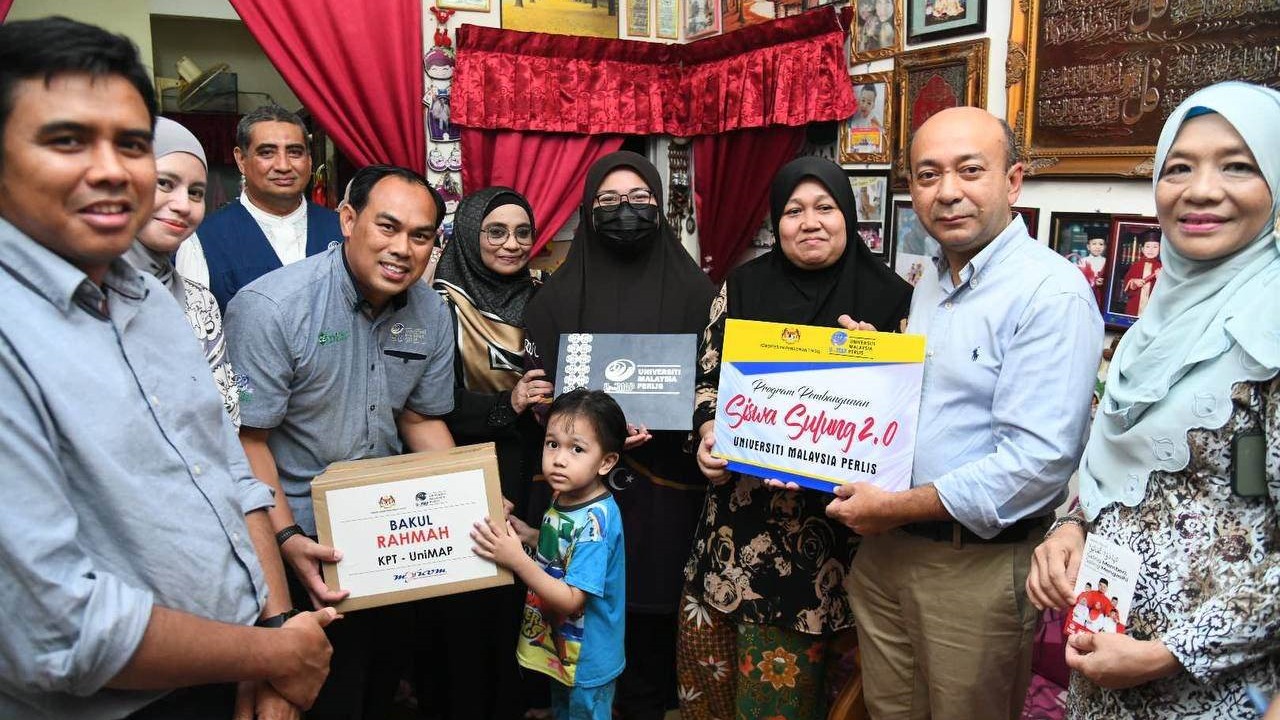
Pauh, Perlis — The Student Affairs and Alumni Department (JHEP) of Universiti Malaysia Perlis (UniMAP) continues to remove financial barriers to higher education through SULUNG, a targeted financial-aid programme for first-generation students entering university. In 2024, a total of 140 students received SULUNG assistance across three cohorts: SULUNG 1.0 (8 students), SULUNG 2.0 (32 students), and SULUNG 3.0 (100 students) (HEPA Annual Report 2024, p. 30 and 33). SULUNG functions as a focused intervention for learners from the lowest-income households who face the greatest risk of dropout. By easing immediate financial pressures, the programme helps students stay enrolled, progress academically, and ultimately complete their degrees. This targeted support is anchored within JHEP’s broader welfare ecosystem. A Comprehensive Support Ecosystem Beyond SULUNG, JHEP disbursed RM 1,943,852.75 in student aid to 7,090 recipients in 2024, comprising:
This combination of targeted (SULUNG) and universal (welfare/health) support ensures that students from financially vulnerable backgrounds can continue their studies with stability and dignity. Alignment with SDG 1 (No Poverty), Indicator 1.3.2 What we support: SDG 1, Indicator 1.3.2 — Bottom financial quintile student success.
Together, these mechanisms directly advance SDG 1.3.2 by driving success among students from the bottom income quintiles. 2024 At-a-Glance
Source: HEPA Annual Report 2024 #SDG1 #NoPoverty #SDGs #LeaveNoOneBehind #UNSDGs #SDGAction#FirstGenerationStudents #AccessToEducation #StudentSuccess #SocialMobility #UniMAP #JHEP #HEPA #UniMAPCares #UniMAPStudents #UniMAPCommunity #Malaysia |
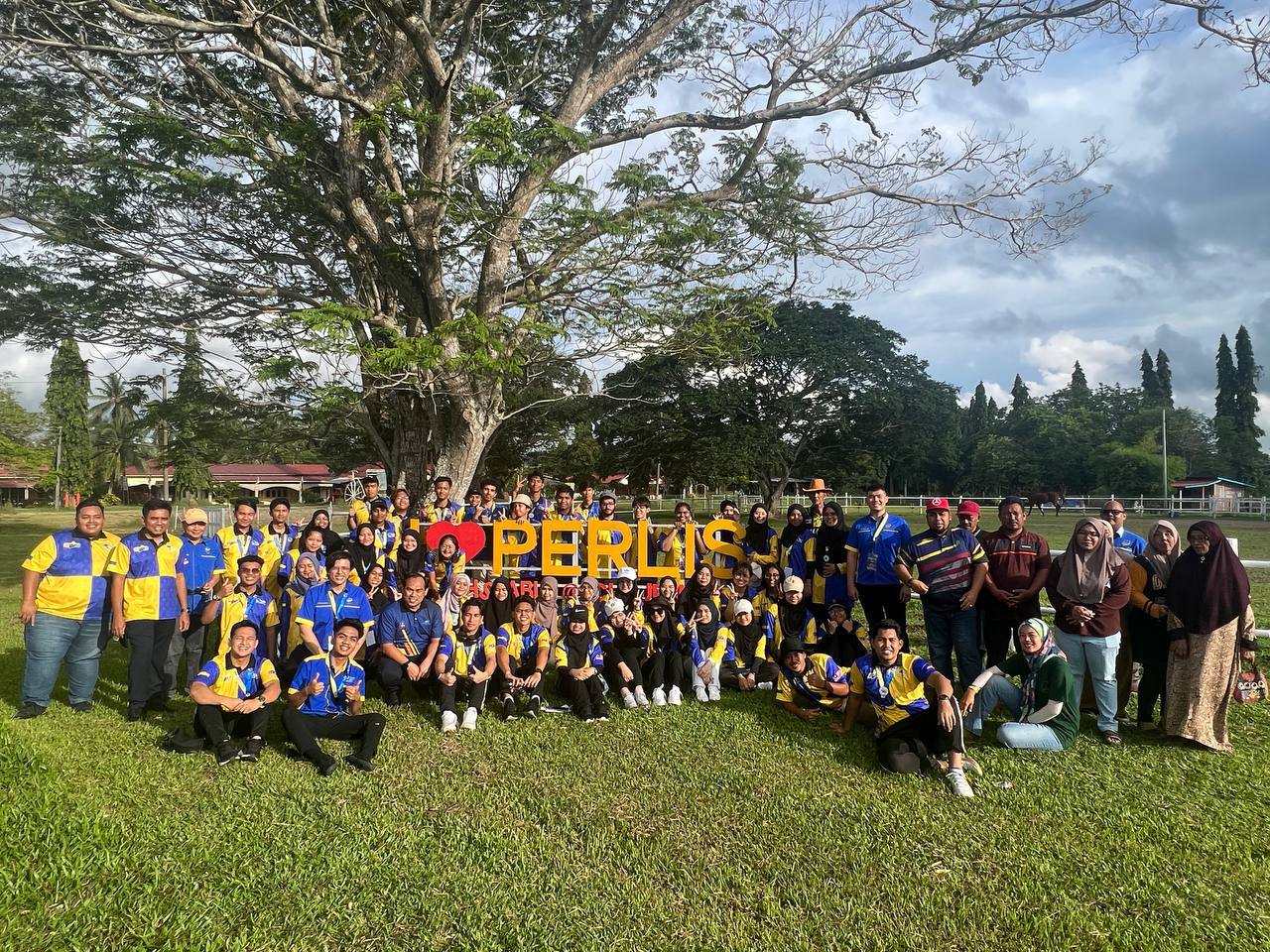
Partnerships in Action: UniMAP x NGOs Deliver SDG Impac
- Details
- Super User
- Blog
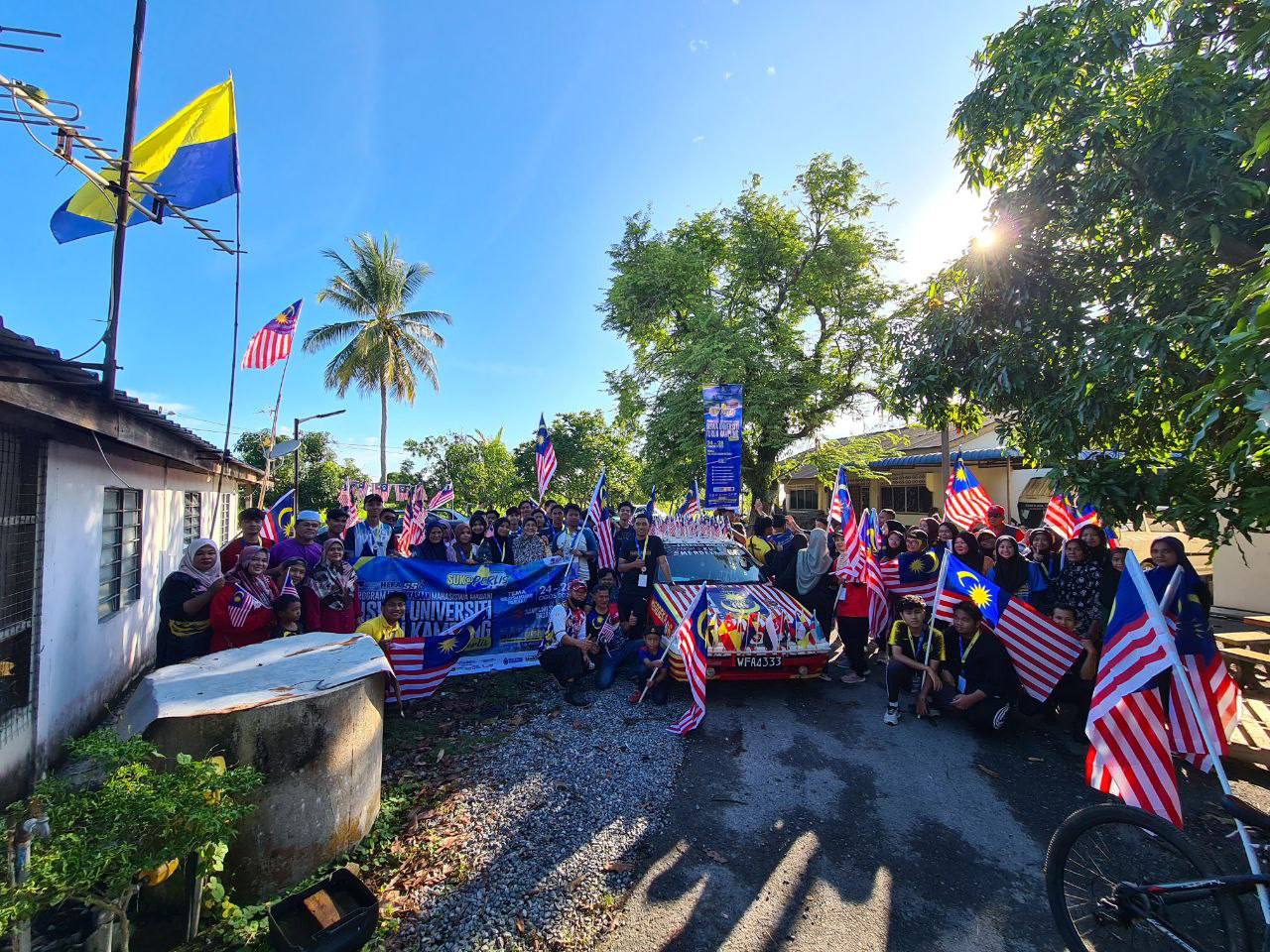
JHEP advances SDG 17 (Partnerships for the Goals), Indicator 17.2.5
Pauh, Perlis — The Student Affairs Department (JHEP), Universiti Malaysia Perlis (UniMAP) is strengthening cross-sector collaboration to accelerate SDG outcomes. Working with NGOs and community groups, JHEP mobilises student volunteers, supports applied engagement, and delivers community education that connects campus expertise to real needs.
Student Volunteering with Community Partners
Under SUKA Perlis, UniMAP deployed 300 student volunteers to serve 1,000 community beneficiaries, coordinated with 30 student secretariat members and 6 clubs/associations (HEPA Annual Report 2024, p. 33). This scalable volunteering infrastructure enables multi-stakeholder projects that respond quickly and responsibly to community priorities.
SDG-Mapped Outreach & Learning
Titian Budi 4.0 (23–30 March 2024) is explicitly aligned with SDG 2, SDG 3, SDG 16, and SDG 17, integrating outreach, knowledge transfer, and community learning (p. 25). These activities connect students to field-based problem-solving while building local capacity through awareness and educational sessions.
Funding & Agency Partners
Outreach is sustained with partner support such as Zakat Tabung Haji (p. 31). Strategic co-funding and agency collaboration allow JHEP to scale student and community participation while maintaining programme quality and continuity.
How This Supports SDG 17 (Indicator 17.2.5)
What we support: SDG 17.2.5 — Collaborate with NGOs to tackle the SDGs via student volunteering, research-type engagement, and development of educational resources.
How we support it:
- Student volunteering programmes: SUKA Perlis mobilises volunteers alongside NGO/community partners.
- Applied/“research-type” engagement: Titian Budi 4.0 is SDG-mapped and integrates knowledge transfer with field activities.
- Educational resources & community learning: Outreach delivers awareness sessions and community education tied to SDG themes, supported by external partners.
2024 At-a-Glance
- SUKA Perlis: 300 students • 1,000 beneficiaries • 30 secretariat • 6 clubs (p. 33)
- Titian Budi 4.0: 23–30/03/2024 • aligned to SDG 2, 3, 16, 17 (p. 25)
- Partner support: Zakat Tabung Haji (p. 31)
Source: HEPA Annual Report 2024
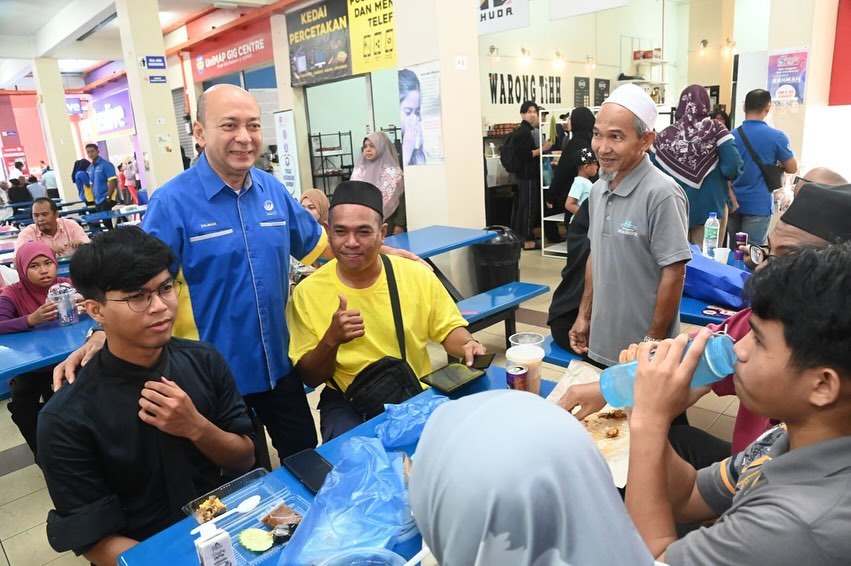
Opening Access, Reducing Inequalities: How UniMAP Tracks and Supports Underrepresented Applicants
- Details
- Super User
- Blog
|
JHEP advances SDG 10 (Reduced Inequalities), Indicator 10.6.2 Pauh, Perlis — The Student Affairs Department (JHEP), Universiti Malaysia Perlis (UniMAP) is strengthening equitable access to higher education by systematically tracking applications and intakes and coupling that data with targeted pipelines and community outreach for underrepresented groups. How We Track Admissions UniMAP maintains official records for every intake cycle, enabling consistent monitoring and early intervention:
This operational tracking provides the foundation to identify needs early and direct support where it matters most. Targeted Pipelines for First-Gen/B40 To widen access for applicants from low-income and first-generation backgrounds, UniMAP runs the SULUNG financial-aid programme for first-in-family students—creating a clear entry pathway and continuity of support into enrollment and study. In 2024, SULUNG supported 140 students across three cohorts (1.0: 8; 2.0: 32; 3.0: 100). (p. 34) Community Outreach That Bridges the Gap Access is also enabled through outreach and service platforms that connect the university to underserved communities:
These programmes build trust, raise awareness of pathways, and help potential applicants navigate their route to university life. Why This Matters for SDG 10.6.2 What we support: SDG 10 — Reduced Inequalities, Indicator 10.6.2: Track applications/admissions of underrepresented groups. 2024 At-a-Glance
Source: HEPA Annual Report 2024 |
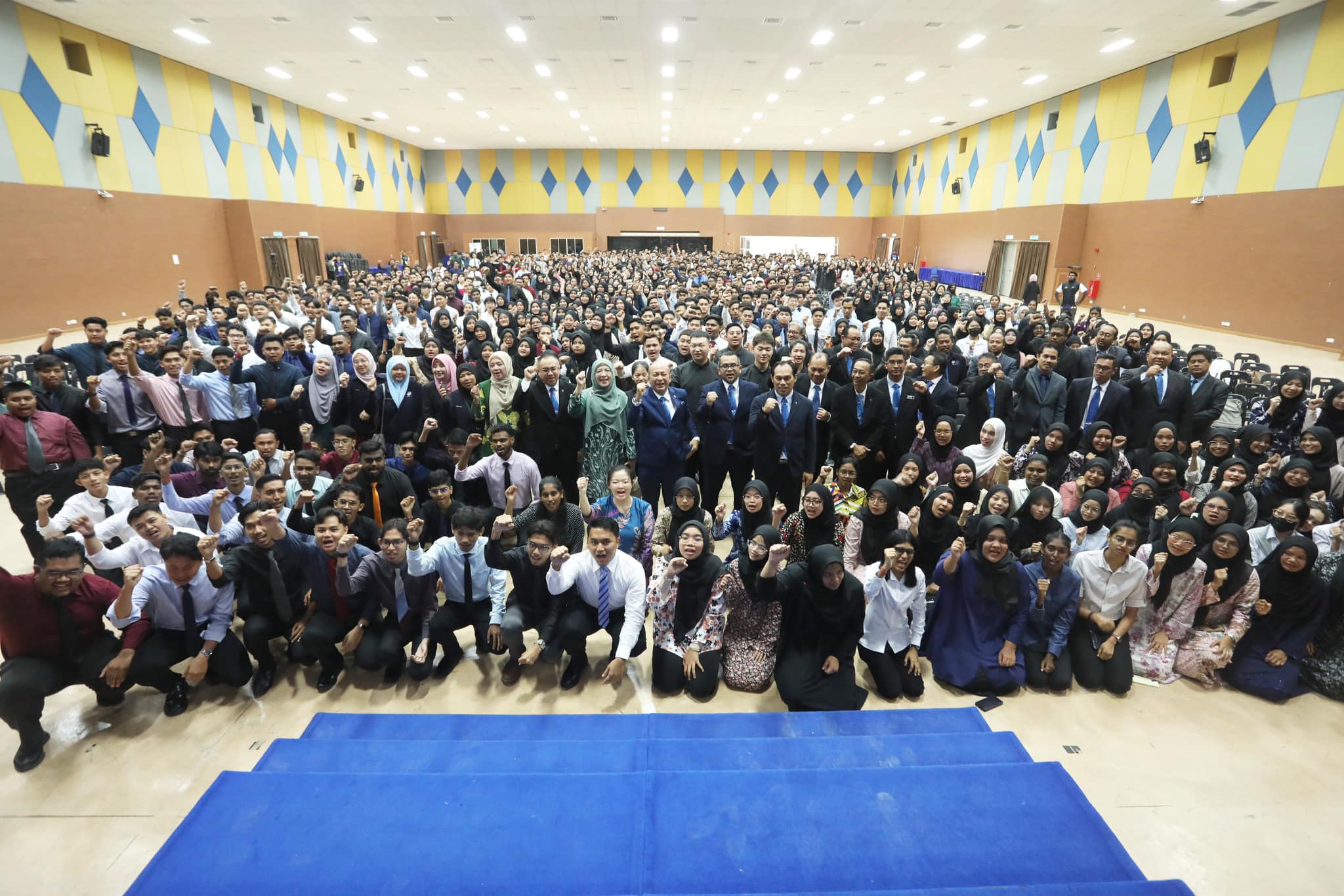
Removing Barriers, Enabling Success: UniMAP’s BKOKU Disability Support
- Details
- Super User
- Blog
|
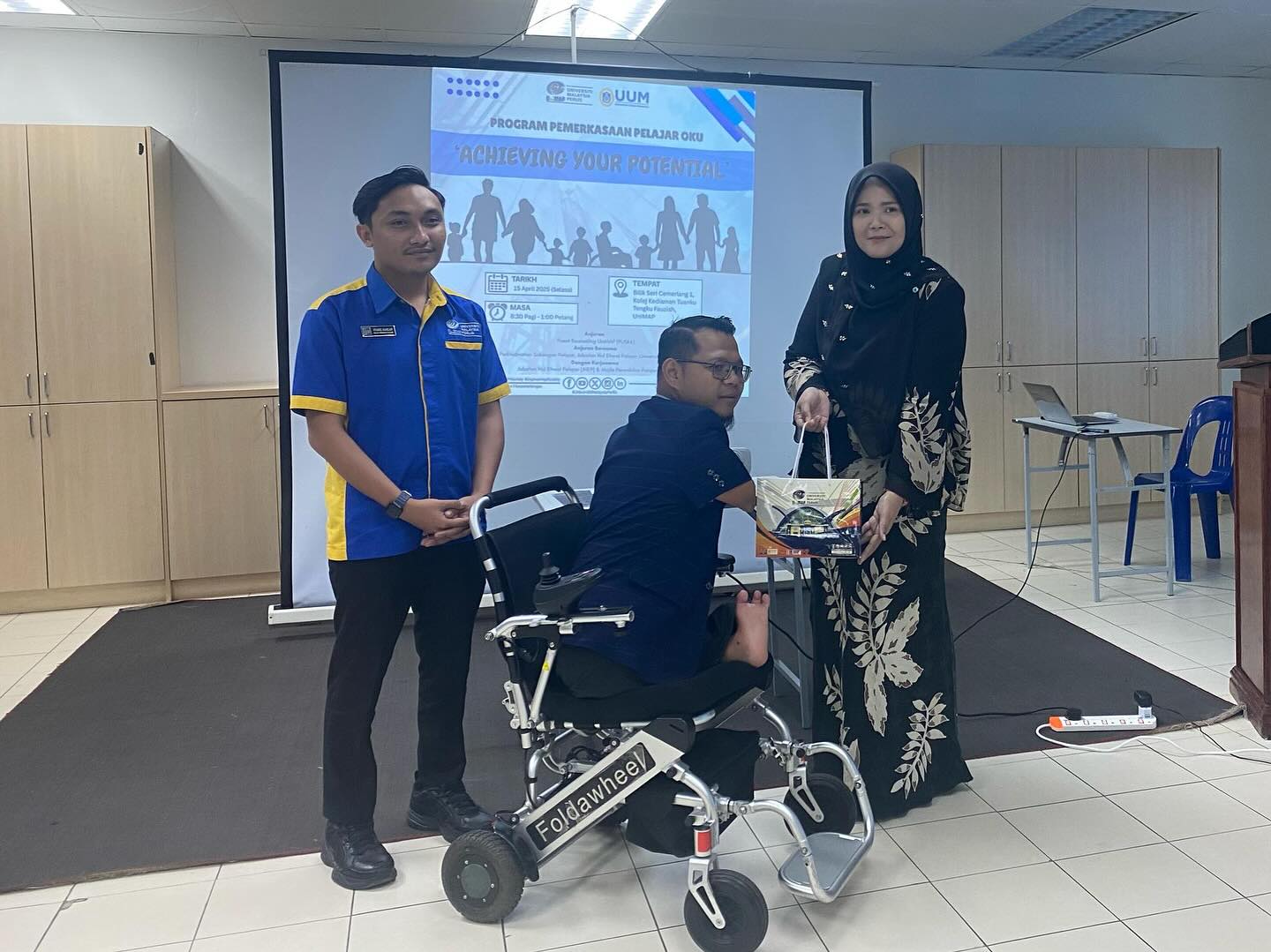
JHEP advances SDG 10 (Reduced Inequalities), Indicator 10.6.9 Arau, Perlis — The Student Affairs Department (JHEP) of Universiti Malaysia Perlis (UniMAP) is committed to ensuring that disability is never a barrier to access, participation, or completion. Through the Ministry of Higher Education’s BKOKU (Bantuan Kewangan Orang Kurang Upaya) scheme, JHEP coordinates targeted financial support so that students with disabilities can study with dignity and stability. What BKOKU Covers
Clear Process, On-Time Disbursement JHEP manages a standardized, auditable process in line with MOHE requirements:
Why This Matters for SDG 10 (Reduced Inequalities) What we support: SDG 10, Indicator 10.6.9 — “Provide access schemes for people with disabilities such as mentoring or other targeted support.” Need Support? Students with disabilities may contact JHEP for guidance on BKOKU eligibility, documentation, and timelines.
|

Mentored to Lead: UniMAP’s Women-Centered Mentoring Pathways
- Details
- Super User
- Blog
|
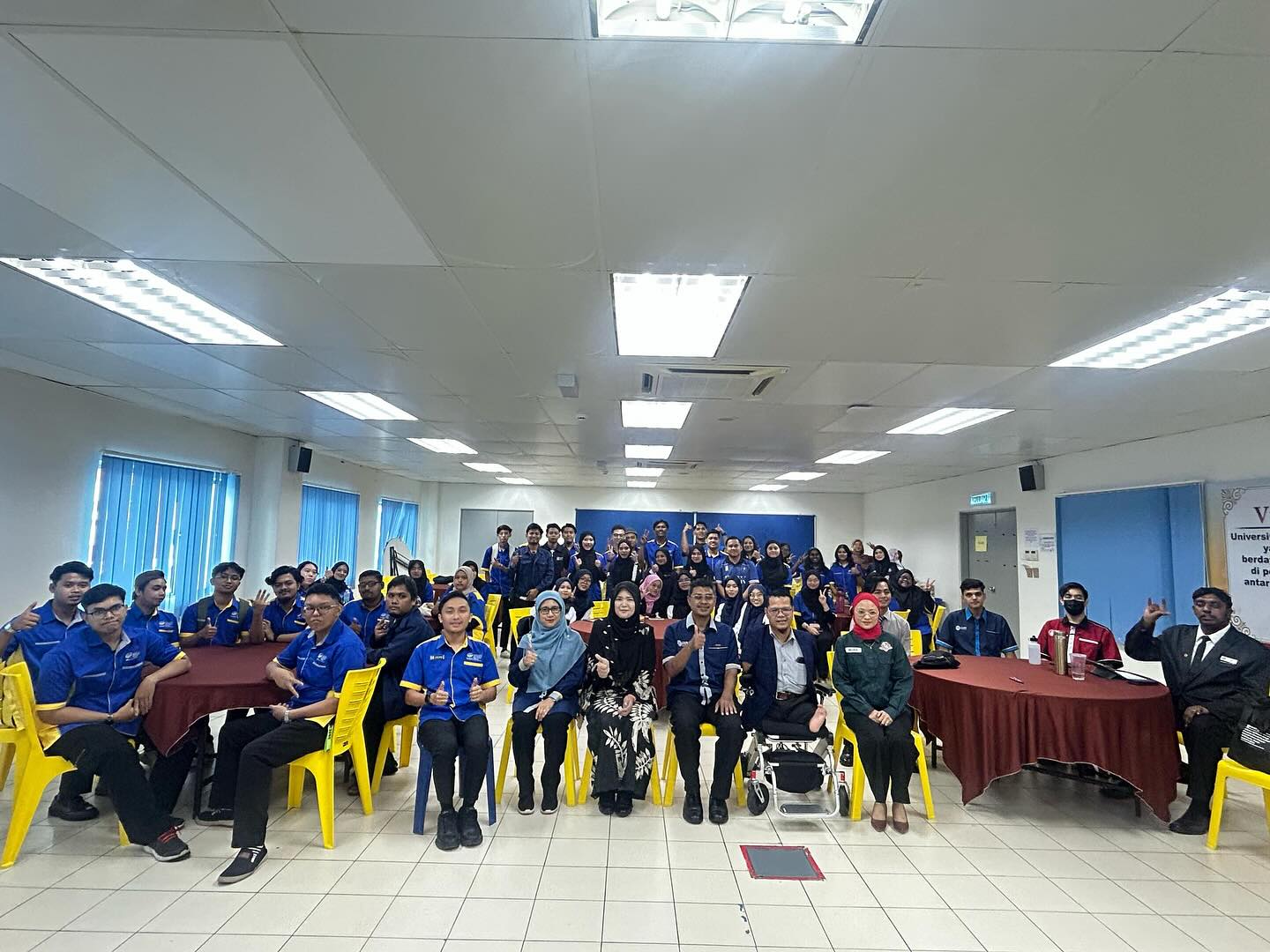
Pauh, Perlis — The Student Affairs Department (JHEP), Universiti Malaysia Perlis (UniMAP) is expanding meaningful opportunities for women students through a structured ecosystem of mentoring and leadership development. Centred on Program Pemimpin Mahasiswa and Kem Kepimpinan Mahasiswa UniMAP, these mentoring pathways combine staff–student coaching, peer-support circles, and practical leadership clinics that help women build confidence, competencies, and campus impact. What the Mentoring Looks Like
How This Supports SDG 5 (Gender Equality), Indicator 5.6.6 What we support: Women’s mentoring schemes (SDG 5.6.6). #SDG5 #GenderEquality #WomenInLeadership #Mentoring #StudentSuccess #SDGAction #LeaveNoOneBehind #UniMAP #JHEP #HEPA #UniMAPCares #UniMAPStudents #UniMAPCommunity #Malaysia #HigherEducation |